
Uncategorized
World-first bushfire hazard detection system aiming to save lives, property and environment

A world-first real-time bushfire hazard detection and warning system using artificial intelligence (AI) is under development thanks to a new partnership between The University of Queensland and Google.org, Google’s philanthropic arm. Led by UQ’s Professor Hamish McGowan, from the School of Earth and Environmental Sciences, the project plans to use AI to trace the movement of embers…
Read MoreWorld-first lung cancer screening facility increases chance of cure
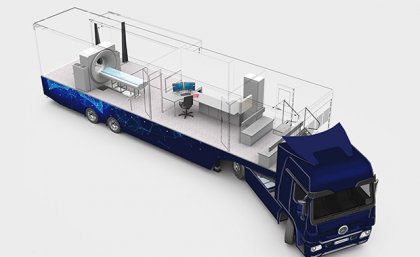
A semi-trailer will be converted into the world’s first mobile lung cancer screening facility to help boost early detection and increase survival rates in rural and remote Queensland where access to specialists is limited. The truck will be fitted with the latest technology, integrating imaging, breath and blood biomarker screening, as part of a $2…
Read MoreHow smart is an octopus?
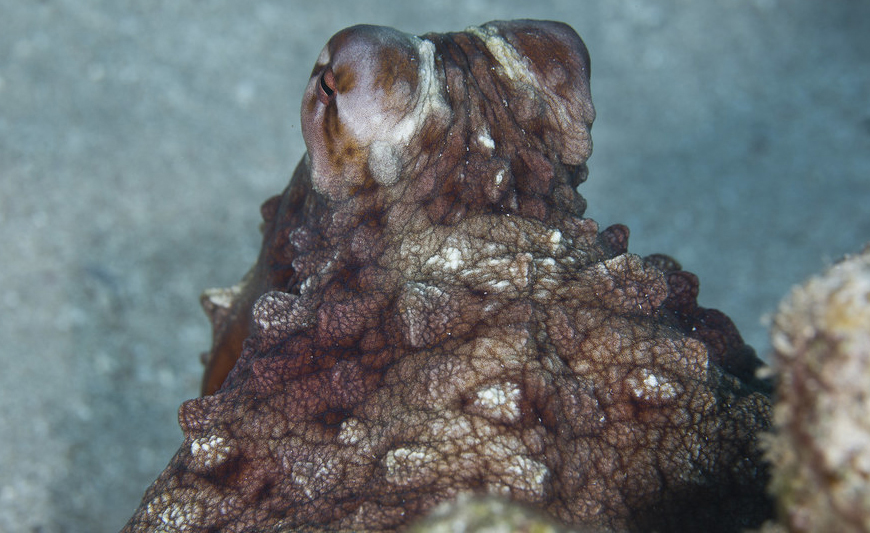
The unique brainpower of octopuses – known for their intelligence and Houdini-like escapes – has been revealed by University of Queensland researchers. Dr Wen-Sung Chung from UQ’s Queensland Brain Institute is part of a team that studied four octopus species using MRI techniques to produce detailed 3D images for comparing their unique brain structures. He said octopus brains…
Read MoreNew mothers could help protect other babies’ brains
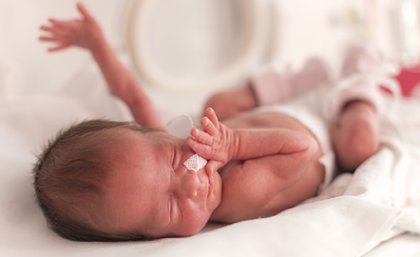
The placenta from mothers of healthy newborns could one day be used to reduce brain injury in growth-restricted babies, according to University of Queensland research. Dr Julie Wixey from UQ’s Centre for Clinical Research said the study found stem cells sourced from a healthy placenta may reduce damaging inflammation in these babies after only three days. “There is…
Read MoreMicrobiome discovery could help save kids’ hearing
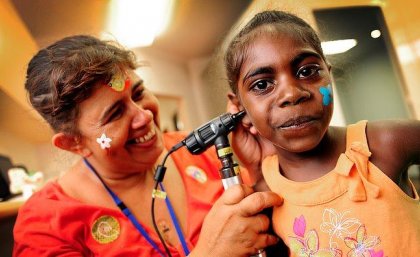
Bacteria found in children’s upper respiratory systems could help fight chronic middle ear infections, the leading cause of preventable hearing loss and deafness in Indigenous communities. The University of Queensland’s Dr Seweryn Bialasiewicz said this discovery helped explain a long-held mystery, while providing hope for potential treatments. “We’ve been puzzled for years now, trying to work out…
Read MoreVisionary educator wants universities to be disability champions
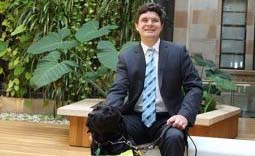
Paul Harpur wears many hats. He’s a lawyer, a company director, a former Fulbright Scholar, a Paralympian and an Associate Professor at The University of Queensland Law School. He is also blind and is passionate about disability inclusion. “Nearly 1 in 5 Australians have some form of disability,” Dr Harpur said. “Disability inclusion strategies at higher education…
Read More