
Uncategorized
Australian researchers create quantum microscope that can see the impossible
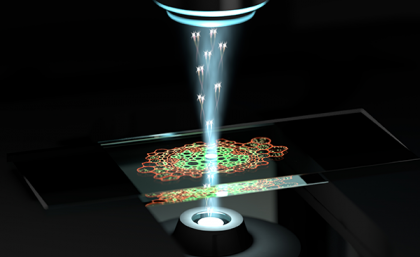
In a major scientific leap, University of Queensland researchers have created a quantum microscope that can reveal biological structures that would otherwise be impossible to see. This paves the way for applications in biotechnology, and could extend far beyond this into areas ranging from navigation to medical imaging. The microscope is powered by the science…
Read MoreEarly research suggests climate change could lead to more stillbirths

Scientists are investigating whether rising global temperatures may lead to more stillbirths, saying further study is needed on the subject as climates change. Researchers from The University of Queensland’s School of Earth and Environmental Science and the Mater Research Institute reviewed 12 studies, finding extreme ambient temperature exposures throughout pregnancy appeared to increase risk of stillbirth, particularly late in…
Read MoreReal-time satellite system to monitor global reef bleaching
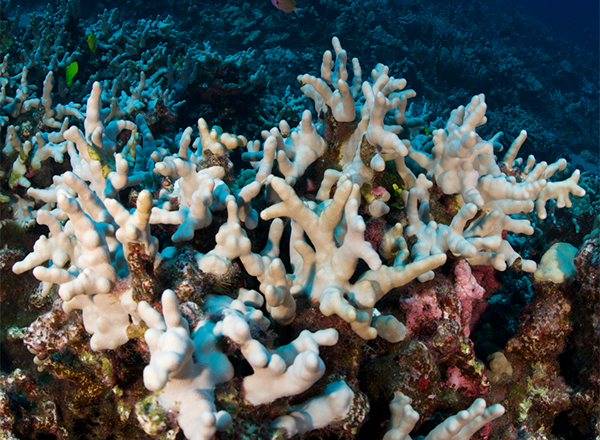
In a world first, a satellite-based global coral reef bleaching monitoring system will scan the Earth’s oceans for coral-killing bleaching events in real-time. The Allen Coral Atlas project, an international research collaboration featuring University of Queensland scientists, are using unprecedented detailed habitat maps of all global coral reefs – over 230,000 of them – to detect reef…
Read MoreDrug target pathway could unlock treatments for diabetes, cancer and COVID
Scientists have visualised and investigated a key molecular pathway that could one day help treat inflammation, diabetes, cancer, infectious diseases and potentially even COVID-19. The international collaboration, featuring University of Queensland researchers, isolated and studied the MyD88 molecule and found the missing link between immune cell receptors and the body’s inflammation response. UQ’s Professor Bostjan Kobe said…
Read MoreStudy shows clamp technology promising for future vaccine development

University of Queensland scientists have published the clinical trial data confirming their molecular clamp-stabilised vaccine technology was safe and potentially effective. The vaccine candidate developed by the team last year did not progress through to Phase 2/3 clinical trials, due to cross reactivity caused by the protein fragment used to stabilise the clamp design. Initial data…
Read MoreA new way to prevent childhood obesity
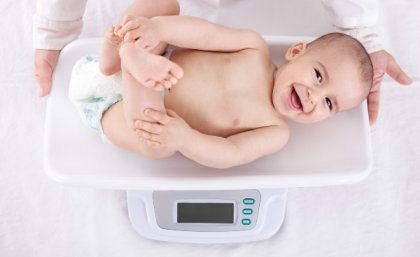
For the first time in Australia, researchers can accurately predict if babies are at risk of childhood obesity by the age of eight to nine years of age. Researchers from The University of Queensland have developed and validated the i-PATHWAY model, which uses simple risk factors mostly gathered during routine doctor visits at 12 months…
Read More