
Uncategorized
UQ continues to climb in Leiden Rankings
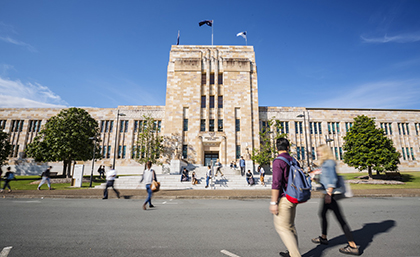
The University of Queensland’s global scientific research impact is evident in the latest Centre for Science and Technology Studies (CWTS) Leiden Ranking. During 2012-2015, UQ contributed 11,258 publications in recognised journals; with 1443 in the top 10 percent of cited publications, which placed UQ 38th globally up 5 places from last year’s ranking. Deputy Vice-Chancellor…
Read MoreResearchers find neurological conditions could begin in the womb
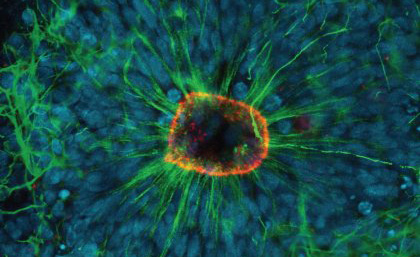
Researchers say a protein usually associated with the immune system could play a role in the development of neurological conditions such as epilepsy and schizophrenia. University of Queensland lecturer and medical alumnus Dr Liam Coulthard led the study into how brain development is affected by altering the activity of the complement system – which controls…
Read MoreA step towards understanding Zika

Brisbane researchers have synthetically re-created Zika virus in the laboratory – a breakthrough that will help to understand the virus and the fetal brain defects it causes. The collaborative research was led by UQ School of Chemistry and Molecular Bioscience’s Professor Alexander Khromykh and Professor Andreas Suhrbier from QIMR Berghofer Medical Research Institute. “This was the…
Read MoreDeveloping therapeutic peptides from scorpion venom

Canadian health and wellness company PreveCeutical Medical Inc. (PMI) has signed a research and option agreement with UniQuest, The University of Queensland’s main commercialisation company, to develop stabilised natural and synthetic peptides from scorpion venom for immune-boosting applications. PMI has an interest in the preventative health sector and is developing products derived from Caribbean blue…
Read MoreAlumnus boosts research to save our little Aussie gliders
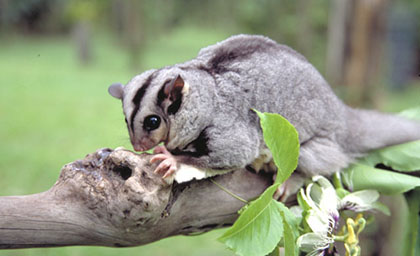
Research aimed at better understanding and ensuring the survival of Australia’s endangered mahogany gliders has been bolstered by a generous donation from the late Phil Tow, a UQ Science alum. The $10,000 donation will fund studies to improve our understanding of the needs of, and care for, this iconic Australian species thereby improving their survival…
Read MoreDeadly environment harming kids
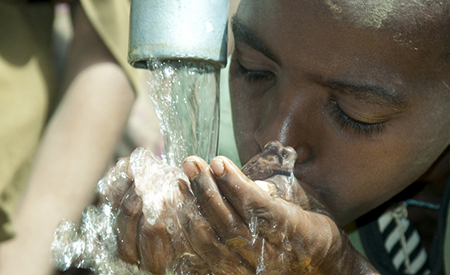
A University of Queensland and World Health Organisation (WHO) research collaboration has found that many of the most common causes of childhood death are preventable. UQ Children’s Health and Environment Program Director and WHO Collaborating Centre for Children’s Health and Environment Director Professor Peter Sly said an unhealthy environment lead to the death of 1.7 million children under five in 2012. “Access to…
Read More